All phases of electrical work, residential and commercial. Here is what the main jobs mean in plain terms.
In a new building the wiring is planned with the structure. Circuits are laid out for lighting, outlets, appliances and the panel, then connected and finished.
Good to know: the earlier the electrician is part of the plan, the fewer changes later.
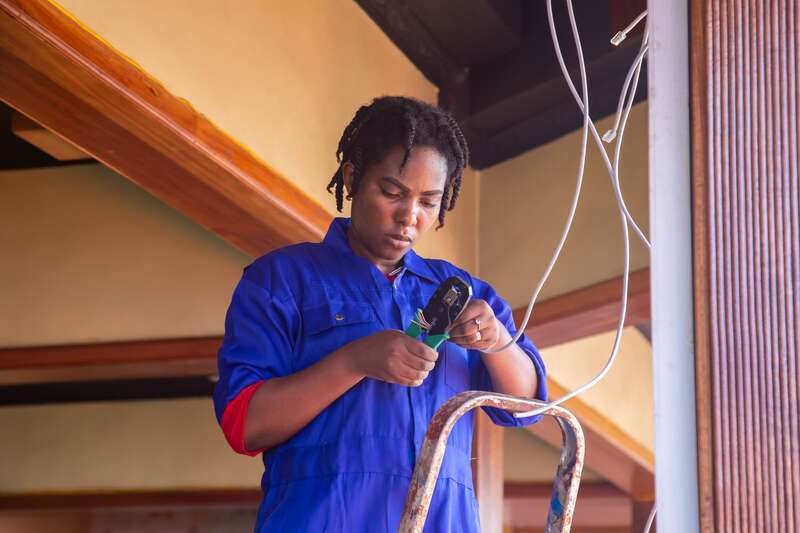
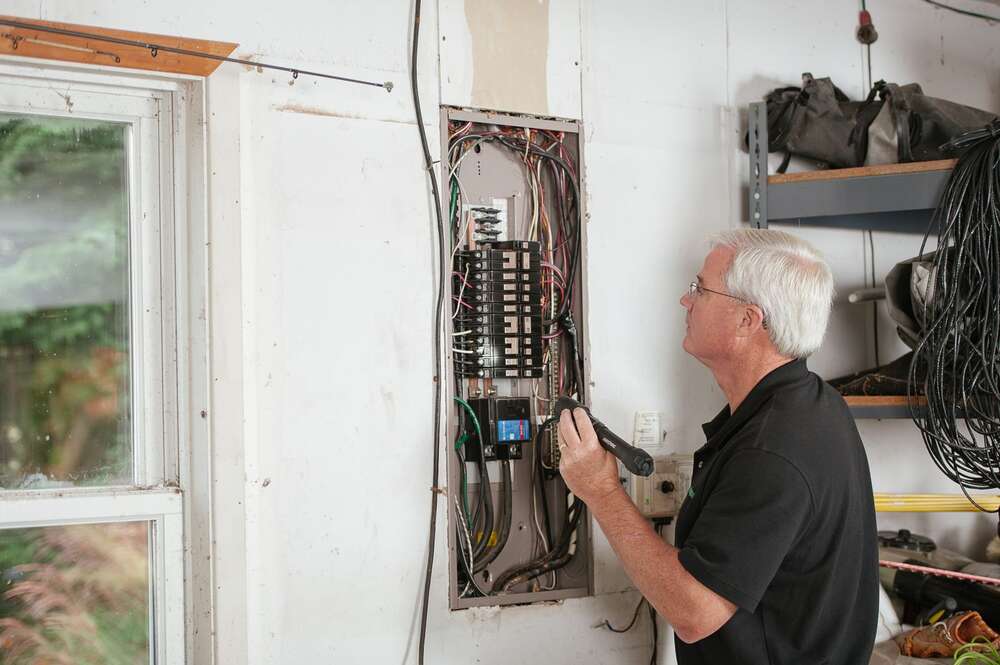
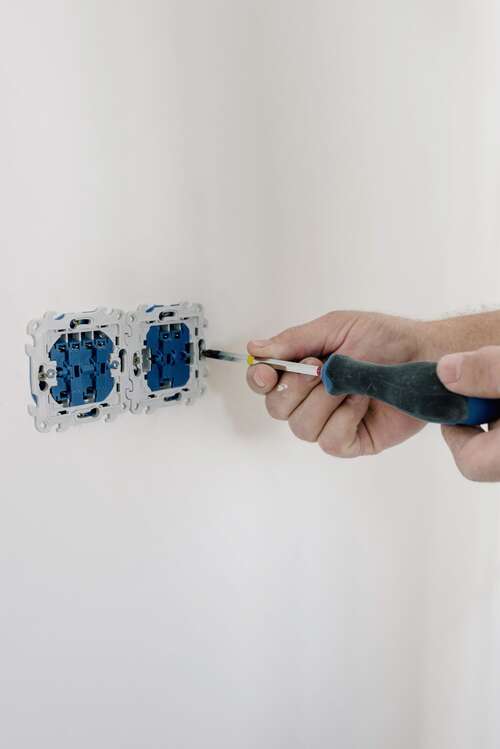
New rooms, finished garages and kitchen updates all add electrical load. The circuits and the panel must carry it safely.
You may need this if: you are adding a room, moving a kitchen, or the breaker trips whenever new equipment runs.
Dead outlets, flickering lights, warm switches and tripping breakers are signs that something needs attention. A service call finds the cause and fixes it.
After-hour rates are available.

Yes. The company lists residential and commercial work.
Texas Department of Licensing and Regulation lists license 33529, Electrical Contracting, as active.
After-hour rates are available. Call to ask.
Call (832) 414-1390, send a WhatsApp message, or use the contact page.
A loop of wiring that carries power from the panel to a group of outlets, lights or a single appliance and back.
A switch in the panel that shuts a circuit off when it carries too much current, to protect the wires.
An outlet with a test and reset button that cuts power in a split second if it senses current leaking, for example near water.
The metal box, often in a garage or utility room, where power enters the building and is divided into circuits.

Do not overload power strips. Replace damaged cords instead of taping them. Keep space clear around the panel. Test GFCI outlets every month using the test button. If something smells hot or burnt, switch off power at the panel if it is safe to reach and call an electrician.
Describe the problem or the project. You will get a straight answer about what is involved.